
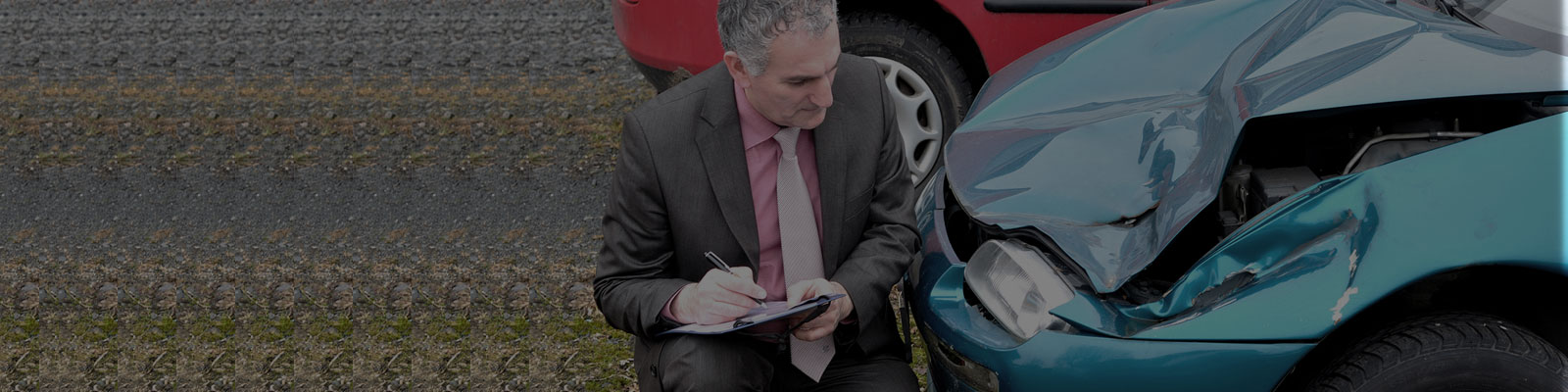
Millions of drivers have no garage and no driveway. They circle the block at night looking for a spot, park wherever one opens up and hope the car is still there, and still in one piece, in the morning. If that is you, a few questions are worth asking: does it change your insurance, which coverage actually protects a car on the street and what will no policy ever pay for?
This page answers those questions in plain language. It covers how insurers think about where you park, which types of coverage matter for a street-parked car, what the latest theft numbers show and what to do to keep your premium reasonable. It is general information. Policies and prices differ by company and state, so confirm the details with your insurer.
Why insurers ask where your car sleeps
When you get a quote, one of the questions is where the car is kept overnight. Insurers call this the garaging address, and it is one of the strongest rating factors there is. It tells them which neighborhood the car lives in, how crowded it is and what the local theft, vandalism and accident picture looks like. It can also tell them whether the car sleeps in a locked garage, a private driveway or on the curb. Some insurers rate a garaged car slightly more favorably, especially for the part of the policy that pays for theft and vandalism. How much difference it makes depends on the company, so ask.
The most important rule is to answer truthfully. Giving a friend’s or relative’s address in a quieter area to get a lower price is a bad idea. If the insurer finds out, it can raise your rate, cancel the policy or refuse a claim, and that is a far bigger problem than a slightly higher premium.
The risks that go with the curb
A car on the street is exposed to things that a garaged car mostly avoids. Here is what can happen and which part of your policy responds.
| What happens | What usually responds |
|---|---|
| Your car is stolen | Comprehensive coverage, after your deductible |
| Someone smashes a window or vandalizes the car | Comprehensive coverage |
| A tree branch, hail or a flood damages the car | Comprehensive coverage |
| A driver you can identify hits your parked car | That driver’s liability insurance, with your collision coverage as a backup |
| A driver leaves without a trace | Your collision coverage, or uninsured motorist property damage where your state offers it |
| Belongings are stolen from inside the car | Usually homeowners or renters insurance, not your auto policy |
| A parking ticket, or a tow for a parking violation | No insurance. You pay it |
If you carry only liability coverage, none of the damage to your own car in this table is covered, so a theft or a hit-and-run comes out of your pocket. That is worth thinking about before you decide to save money by dropping the optional coverages. For more on how those claims work, read our posts on hit-and-run accidents and items stolen from your car.
What the latest theft numbers say
The risk of theft is real, though it has been falling. The National Insurance Crime Bureau reported that 268,415 vehicles were stolen in the first half of 2026, a drop of 21 percent from a year earlier, and every state recorded a decline. Theft is still concentrated in big cities, and it varies enormously by place.
| Area | Thefts per 100,000 people |
|---|---|
| Bakersfield-Delano, CA metro (highest metro rate) | 223.28 |
| District of Columbia (highest among states and jurisdictions) | 181.94 |
| United States overall | 77.81 |
Source: National Insurance Crime Bureau, September 30, 2026. Our post on whether car theft is going down has the full tables.
In plain terms, a car parked on the street in some metro areas faces several times the theft risk of the national average, and in many other places the risk is far lower. Your own street may be very different from a city-wide average, which is why local knowledge counts for more than any headline.
Coverage to think about if you park on the street
- Comprehensive. This is the one that matters most. It covers theft, vandalism, storm damage and falling objects. If your car is not worth much, compare the premium with the car’s value, as we discuss in whether full coverage is worth it.
- Collision. It pays to repair your car after a hit, including by a driver who is never found, though you pay the deductible.
- Uninsured motorist property damage. Some states offer it, and it can pay for damage caused by an unidentified or uninsured driver, sometimes with a smaller deductible. Ask your agent whether it exists where you live.
- Rental reimbursement. If you rely on the car for work, having a rental while yours is stolen or repaired is worth a few dollars a month. Our post on how long it takes to fix a car shows how long a rental can run.
- Gap coverage. If you owe more than the car is worth and it is stolen and never recovered, you could be left with a bill. See gap insurance.
- A sensible deductible. A high comprehensive deductible lowers your premium but means you pay more after a break-in. Our guide on how to choose a deductible helps.
Ways to lower the risk, and sometimes the price
- Park in a well-lit spot when you can. The NICB advises well-lit areas because visibility deters thieves.
- Lock the car and take the keys. Never leave it running while you are away. Some thieves walk along a street trying door handles.
- Close the windows and take valuables with you. An empty car is a less attractive target.
- Add an anti-theft device. The NICB lists steering wheel locks, alarms, kill switches and tracking devices. Ask your insurer whether any of them earns a discount.
- Take photos of the car. Pictures of each side, the interior and the odometer help if you ever need to prove its condition. They are also useful after a hit-and-run.
- Consider a garage space. Renting a garage costs money, and it may reduce the cost of your comprehensive coverage a little, so compare both numbers before you decide.
- Shop around. Insurers weigh parking and neighborhood differently, so quotes for the same car on the same street can differ. Our guide on how to compare car insurance quotes shows how to compare them fairly.
If your car is stolen or damaged on the street
- Report a theft to the police right away and get a report number.
- Call your insurer, give them the report number and ask about your rental coverage.
- If another car hit yours and left, take photos of the damage and the location and look for cameras nearby.
- Follow the steps in our step-by-step claim guide.
When you are ready to see what coverage costs for your ZIP code, compare quotes, and make sure each company has the same parking information so the prices are fair to compare.
Frequently asked questions
Does street parking make car insurance more expensive?
It can. Insurers ask where your car is kept overnight and may rate a garaged car slightly more favorably, especially for theft and vandalism coverage. The difference depends on the insurer and your area, so compare quotes.
Does insurance cover a car stolen from the street?
Comprehensive coverage can pay for a stolen car, up to its actual cash value minus your deductible. If you carry only liability coverage, a theft is not covered.
Who pays if my parked car is hit and the driver leaves?
If the driver is found, their liability insurance should pay. If not, your collision coverage may pay after your deductible, and in some states uninsured motorist property damage coverage can apply. Report it to the police and your insurer.
Does car insurance cover items stolen from my car?
Usually not. Personal belongings in a car are generally covered by homeowners or renters insurance, not by your auto policy, and they are subject to that policy’s deductible and limits.
Does car insurance pay for parking tickets or towing?
No. Parking tickets and tows for parking violations are not covered by car insurance. Roadside assistance may cover a tow after a breakdown, but not after a violation.
Can I list a different address to get a lower rate?
You should not. Insurers rate the car by where it is actually kept, and giving a false address can lead to a higher rate, a cancelled policy or a denied claim.
Related guides
Enter your ZIP code to see options that fit your budget. It is free and only takes a few minutes.
Your ZIP code is only used to show quotes available in your area.
This page is for general information only and is not insurance, legal or financial advice. Coverage, rules and prices vary by insurer and state.